
Learn Tufting Online – The Kramis Course We Love

Learn Tufting Online – The Kramis Course We Love

Learning how to tuft can feel a little intimidating. Between the machine, the yarn, and the mystery that is glue... it's hard to know where to start.

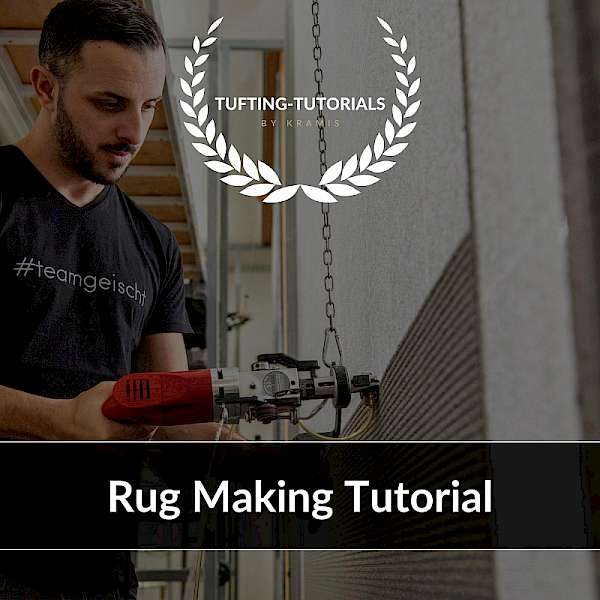
That’s why we love the Kramis Online Tufting Course. A step by step video series made for DIY lovers who want to master tufting at home, at their own pace. Whether you're brand new or ready to level up, this course breaks it down in a clear, calm, and creative way.


What you’ll learn

The course is taught by Swiss artist Kramis, and it covers everything from:

  • How to design for tufting (and what works in yarn vs. on screen)

  • Frame setup & cloth stretching

  • Working with cut-pile and loop-pile machines

  • Tufting techniques, tips, and finishing steps

The course is taught in English and includes lifetime access to all modules. The total price is around €100, depending on the current exchange rate, an accessible investment for anyone ready to learn tufting properly.

It’s packed with visual demos and smart guidance, perfect if you learn best by watching and doing.


Why we recommend it

There’s a lot of tufting content out there, but it can be hard to find clear, complete, and beginner-friendly guidance in one place. That’s exactly what the Kramis course offers. It’s easy to follow, thoughtfully made, and the production quality makes it a joy to watch.

Also, Kramis just gets it, he understands the questions and challenges DIYers often have, and his explanations are super down to earth.


Get 10% off with our code

If you sign up via our page, you’ll get 10% off the course with our exclusive discount code.

🎓 Learn more & enroll here!

Use code: Tuftingshop10 at checkout


Final note:

If you’re serious about learning tufting (and want to avoid the most common mistakes from the start), this course is a smart investment, even smarter when you use our discount code ;) You’ll save yourself time, yarn, and a lot of gluey messes.

Because let’s be honest: tufting is better when you actually know what you’re doing.

Back to blog

Guides

What is Tufting

Tufting is the craft of making rugs by hand using a tufting gun to push yarn through a backing cloth. A loop holds the yarn in place; for cut pile rugs, blades trim the loops for a plush finish. The pile height can be adjusted by cutting the yarn sooner or later as it passes through the cloth.

Tufting is a zero-waste technique—rugs are created directly in their final shape. It’s perfect for designers, artists, and hobbyists looking to make unique wall hangings, rugs, or even fashion pieces.

Creative Possibilities

In your designs, you can experiment with shapes, colors, pile types (cut or loop), and pile heights. To get started, you’ll need at least:

Find inspiration and techniques from our guides or explore the many talented tufting artists online.

A Guide to a tufting setup

Tufting frame

A good and stable tufting frame is essential when starting a new tufting project.

Make sure your frame is stable enough because you will be adding quite some pressure to it when tufting. You can find a complete self assembly frame on our webshop.

Stretching the cloth

Your cloth needs to be well stretched on the frame, again to provide a stable tufting surface so you can tuft the rug yarn consistently.

 Carpet grippers on your frame are perfect when strechting your cloth. The nails on the grippers go through the cloth and keep it in place so you can stretch it very tightly. Other options are nailing or stapling the cloth to your frame.

The carpet grippers can be reused for every project and let you re-stretch the cloth during your project.

 Yarn feeding

 Make sure that you “feed” the yarn from above the tufting frame. This way you make sure that it is fed consistently and the yarn does not get in the way.

Consistent feeding is key to when you do not wish to rewire your gun all the time. Cones of yarn therefore often work better then balls because the yarn is more likely to give resistance.

A Guide to tufting guns

Not sure which tufting gun to choose? Whether you're making your first rug or experimenting with different textures, understanding the different types of tufting guns will help you find the right machine for your project.

The two main differences between tufting guns are:

  • Pile height: How long or fluffy your rug's surface will be.
  • Cut pile vs loop pile: Whether the yarn is cut or left in loops.

Other factors worth considering include tufting speed, machine weight, ease of use and build quality.

Tufting Gun Pile Height: How High Can You Go?

Pile height determines how thick, fluffy or textured your finished rug will look and feel.

Standard electric tufting guns typically produce pile heights of around 5–21 mm, making them ideal for rugs, wall hangings and other textile projects.

Want a more dramatic, shaggy finish? High-pile electric tufting guns can create much longer piles, including 20–30 mm and 35–45 mm options. For even taller piles, pneumatic tufting guns can reach heights of up to 60 mm, although they require an air compressor.

Cut Pile vs Loop Pile Tufting Guns

One of the most important choices when buying a tufting gun is deciding between cut pile and loop pile. Both techniques create a different texture and finish.

Cut Pile Tufting Guns

A cut pile tufting gun uses built-in scissors to cut the yarn as it passes through the backing fabric. This creates a soft, fluffy surface that can be trimmed and carved for a smooth, detailed finish.

Cut pile is a popular choice for beginners and works especially well for decorative rugs, colorful designs and wall art.

Loop Pile Tufting Guns

A loop pile tufting gun leaves the yarn in continuous loops instead of cutting it. The result is a more structured, textured surface with a distinctive handmade appearance.

Loop pile is ideal for creating patterns with visible texture and a more defined surface. If you want to turn the loops into cut pile, you'll need to cut them separately.

Cut and Loop Tufting Guns

Can't decide between the two? A cut and loop tufting gun offers both techniques in one machine.

Some cut-and-loop models let you change the cutting setup to switch techniques. Follow the manual for your exact model. If you prefer to avoid mechanical adjustments, choose separate machines for cut pile and loop pile.

Cut pile and loop pile tufting comparison

Difference between cut pile and loop pile textures

Already have a tufting gun?

For yarn slipping out, uneven stitches or cloth tearing, use our tufting troubleshooting guide to check your setup before adjusting or replacing your machine.

A guide to Yarn

What yarn should I use for tufting?

This depends on what you are making. Although most yarns “work” they will definitely give different effects. In many cases you will find a mix of different materials. The following table describes the qualities of different materials.


Pros

Cons

Acrylic yarn


Cheap, synthetic and soft. Great for wall pieces.

Does not hold its structure and therefore not great for durable floor pieces.

Cotton yarn

Moderately soft, has a medium hold. Although more expensive then acrylic, is easy to find in many colors, at a good price

Not “indestructible”, fibers are soft and can collapse.

Wool yarn

Holds shape really well and has a natural dirt-resistance.

Most expensive option


In general go for a material that is not too soft because it will not hold shape.

How thick should my yarn be?

You can make the yarn as thick as you want as long as it fits through the needle of your tufting gun. A well-loaded gun (not to thin) will help you get more consistent results. Stuff the needle with as many strands as will fit.

You can find yarns here.